PL. 04 · Field guide
RODENT EXCLUSION
For the homeowner hearing something in the attic at 2 a.m. — in Central Florida that's almost always roof rats, and they're almost always coming in through a gap you can't see from the ground.
How we handle it
The pest industry has a dirty little habit with rodents: throw bait boxes around the house forever and collect the monthly fee. We do it in nearly the opposite order, and the order is the product. Seal-up first — because a house that rodents can't enter doesn't need permanent poison. Trapping second — because the animals already inside have to come out, and traps let us confirm the count instead of letting something die in a wall. Bait last, outside only, and only where pressure from surrounding land makes it genuinely necessary.
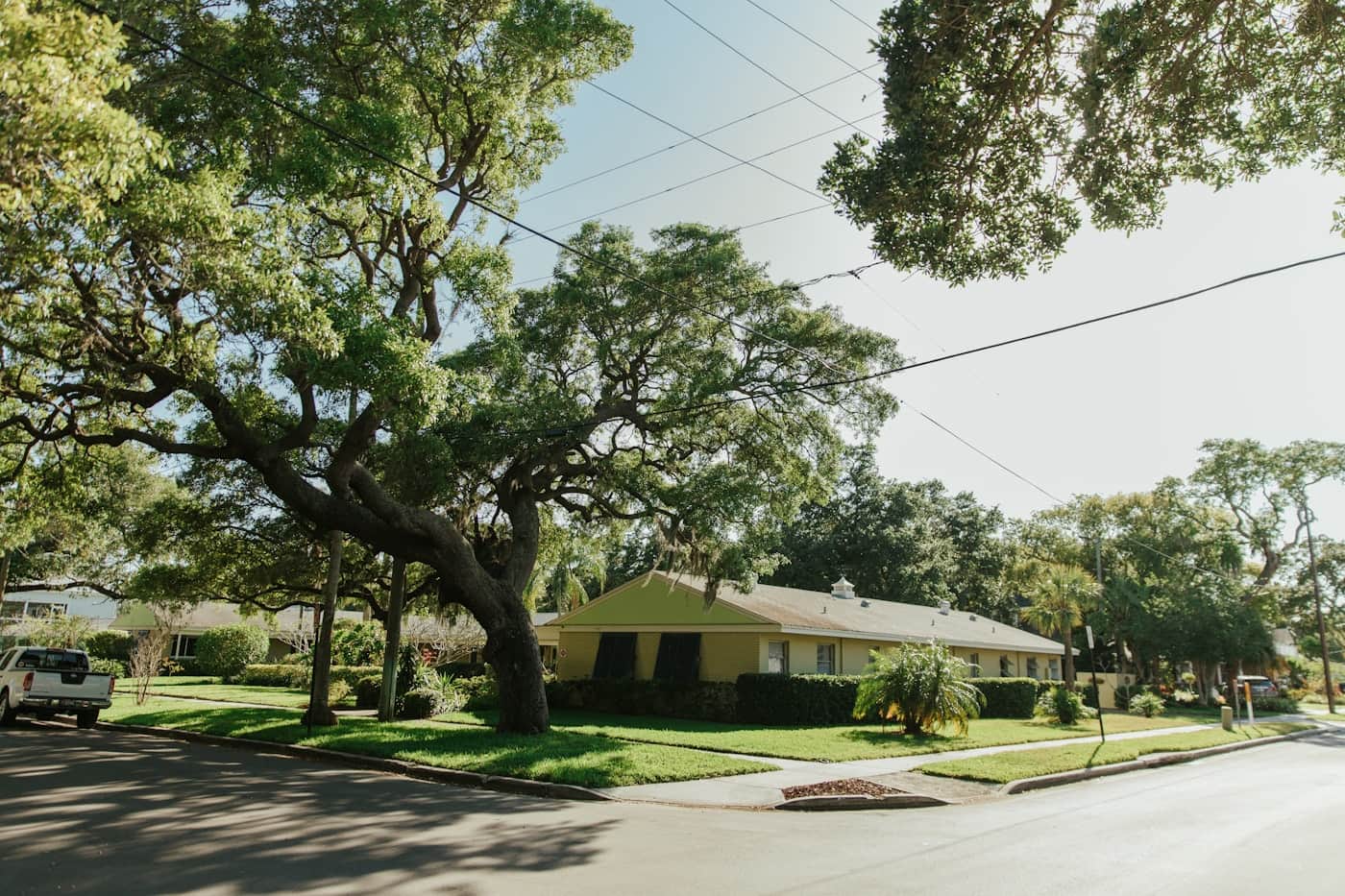
Roof rats — the ones Florida actually has — are climbers. They travel power lines and oak limbs, and they enter high: builder's gap under the shingle edge, unscreened gable vents, the gap where the AC chase meets the soffit, tree limbs touching the roof. Our inspection maps every one of these with photos you'll see. Then we seal them with materials rodents can't chew through: hardware cloth, sheet metal, mortar — not the spray foam some outfits leave behind, which a rat treats as a suggestion.
Once the building is closed, trapping goes fast — typically 5 to 10 days with two check visits. We remove the animals, sanitize the nesting areas, and the noises stop. The exclusion work carries a warranty: if rodents re-enter through anything we sealed, we come back and fix it free. If you have citrus trees out back, ask us about trimming guidance — an orange tree touching a roofline is a rat highway with a snack bar.
Questions we hear about this one
I hear scratching at night. Rats, mice, or something else?
In Central Florida attics, scratching and rolling sounds at night are usually roof rats; fast light scurrying can be mice; heavy thumping around dawn or dusk can be a squirrel. The inspection settles it — droppings, rub marks, and entry size tell us the species before we set a single trap.
Why not just put out poison?
Because poison alone means rodents keep entering forever (the hole is still open), and some of them die in your walls — a smell you will not forget. Sealing the building solves the problem; poison at best manages it and at worst creates risks for owls, hawks and pets.
How long does exclusion take?
The seal-up itself is usually one visit. Trapping runs 5–10 days after that with follow-up checks. Most homes are closed, cleared, and quiet inside two weeks.